













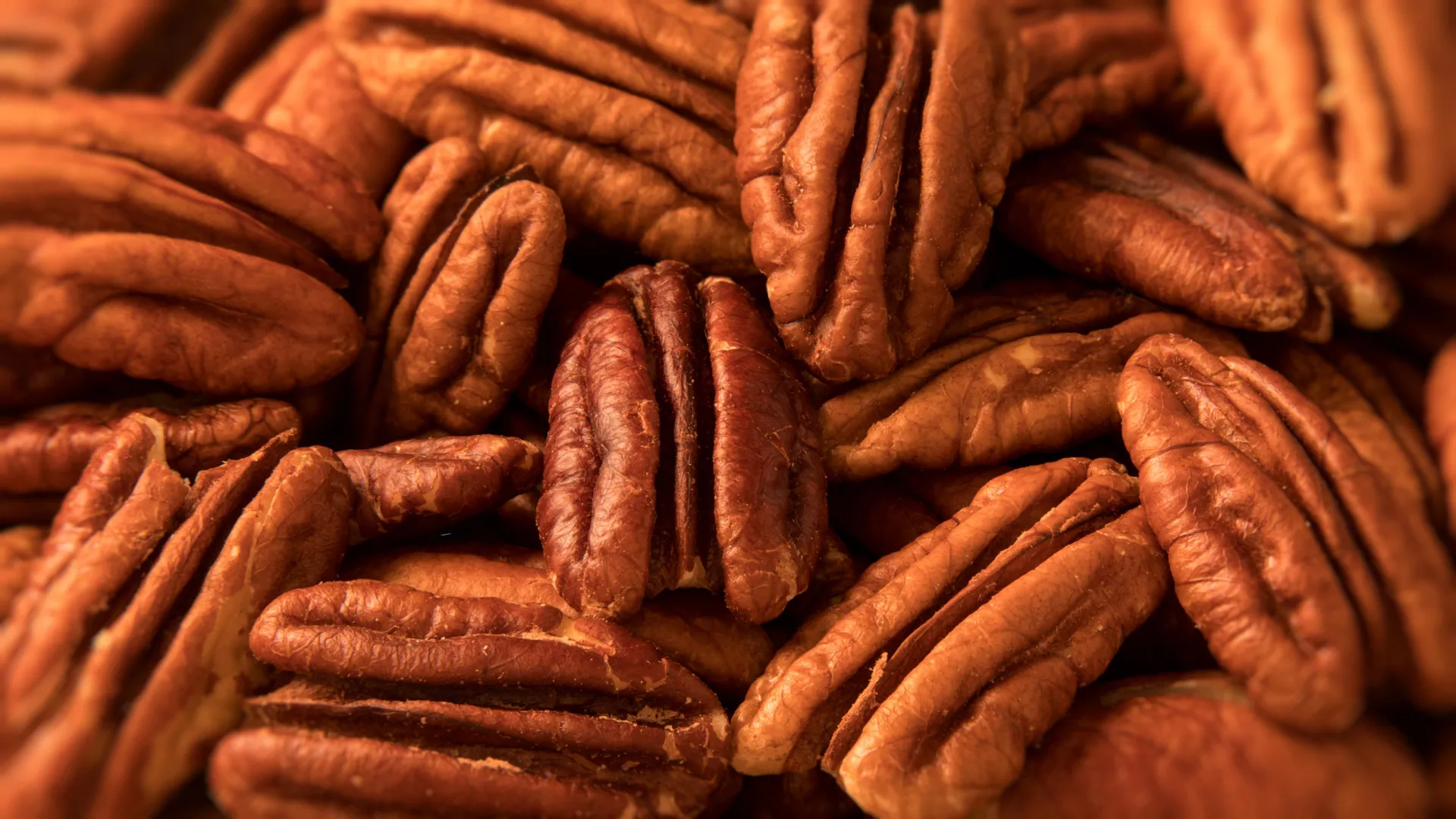
As American Heart Month draws attention to cardiovascular wellness, a newly released scientific review is putting the spotlight on pecans, America’s native nut, and their role in heart healthy eating patterns. Published in the peer reviewed journal Nutrients, the analysis brings together more than two decades of research on pecans. The findings reinforce evidence linking pecans to cardiovascular health and improved diet quality, while also outlining areas that deserve further study.
Researchers at the Illinois Institute of Technology conducted the review, examining a broad range of studies that highlight how pecans fit into modern dietary habits and current health priorities.
Pecans and Heart Health Markers
The strongest and most consistent evidence centers on heart health, particularly blood lipids. Across multiple human studies, people who regularly ate pecans in snack sized portions experienced improvements in total cholesterol, LDL (“bad”) cholesterol, triglycerides and non HDL cholesterol.
Pecans are rich in polyphenols (a type of antioxidant) and other bioactive compounds. These components may help enhance antioxidant activity in the body and reduce lipid oxidation, a process associated with oxidative stress. Emerging research also suggests pecans may support healthier post meal lipid metabolism, an important factor in cardiovascular health. Taken together, the evidence indicates that pecans may benefit the heart largely by improving lipid metabolism and strengthening antioxidant defenses.
Blood Sugar Control, Satiety, and Weight Outcomes
When it comes to blood sugar and diabetes related measures, the results are more mixed. Researchers note that additional studies are needed to clarify pecans’ role in metabolic health. Some evidence suggests that replacing refined carbohydrates with pecans may improve insulin response or help moderate after meal blood sugar levels.
Several studies also report increased feelings of fullness after eating pecans, making satiety an area of growing interest. Findings on body weight are less consistent, but current research does not show that eating pecans increases the risk of weight gain. Observed weight changes generally fall within normal day to day fluctuations.
Improved Diet Quality and Healthy Eating Patterns
Beyond specific health markers, pecans appear to be linked to better overall diet quality. The review found that people who include pecans in their diets tend to score higher on the Healthy Eating Index (HEI), a measure of how well a diet aligns with federal dietary guidelines.
Data from nationally representative NHANES surveys further indicate that pecans fit naturally into balanced eating patterns, especially when they replace common snack foods.
“What stands out in the research is the consistency of evidence linking pecans to markers of heart health and overall diet quality,” notes Britt Burton Freeman, PhD, MS, Director of the Center for Nutrition Research, Illinois Institute of Technology. “The additional findings around satiety and weight management add important context, particularly as interest grows in appetite regulation and the use of GLP-1 therapies.”
Emerging Research on Gut and Brain Health
The review also highlights several promising directions for future research. These include:
- Gut health and digestion, including how pecan nutrients interact with the microbiome.
- Brain health, given pecans’ high polyphenol content and links between heart and cognitive health.
- Bioactive compounds, which vary by growing conditions and may influence health outcomes.
Although research in these areas is still developing, the authors describe them as important opportunities for further investigation.
Easy Ways to Add Pecans to a Heart Healthy Diet
For those looking to increase their intake of plant based nutrients, pecans offer a convenient snack option with no preparation required.
- Sweet + smart: Pair pecans with fresh fruit such as apple slices, berries or a pear for a naturally sweet and balanced snack.
- Savory crunch: Sprinkle chopped pecans over hummus, cottage cheese or a smoothie for added texture and flavor.
- Yogurt or oatmeal topper: Mix pecans into yogurt or oatmeal to enhance staying power and help you feel full longer.
- DIY snack mix: Combine pecans with whole grain cereal, dried fruit or small pieces of dark chocolate for a heart smart trail mix.
- Upgrade your snack bar: Stir chopped pecans into homemade energy bites or granola for extra crunch and nutrition.
Heart health often comes down to small, sustainable changes. Adding a handful of pecans to meals or snacks may be a simple and flavorful way to support cardiovascular health and improve overall diet quality. Learn more at EatPecans.com.
This study was supported by the American Pecan Promotion Board (APPB). APPB had no influence over the study or its findings.
Study Details and Limitations
The review, “Pecans and Human Health: Distinctive Benefits of an American Nut,” published in Nutrients, evaluated more than 20 years of research on pecans and health. Researchers analyzed 52 peer reviewed studies published between 2000 and 2025, including human clinical trials examining the physiological effects of pecan consumption on cardiometabolic and other health related outcomes.
The analysis covered heart health, diet quality, blood sugar regulation, body weight and satiety, along with emerging topics such as gut and brain health. It also assessed the nutrient and bioactive profile of pecans, including unsaturated fats, fiber and polyphenols, and identified gaps that should be addressed in future research.
The authors note several limitations, including a relatively small number of long term human studies, differences in study design and intake levels, and limited data in newer research areas.
The American Pecan Promotion Board (APPB) represents pecan producers and importers and works to promote the benefits and uses of pecans. Established in 2021 under USDA oversight, the program enables the industry to collectively fund research and promotional efforts aimed at increasing demand. APPB is headquartered in Irving, Texas.


