




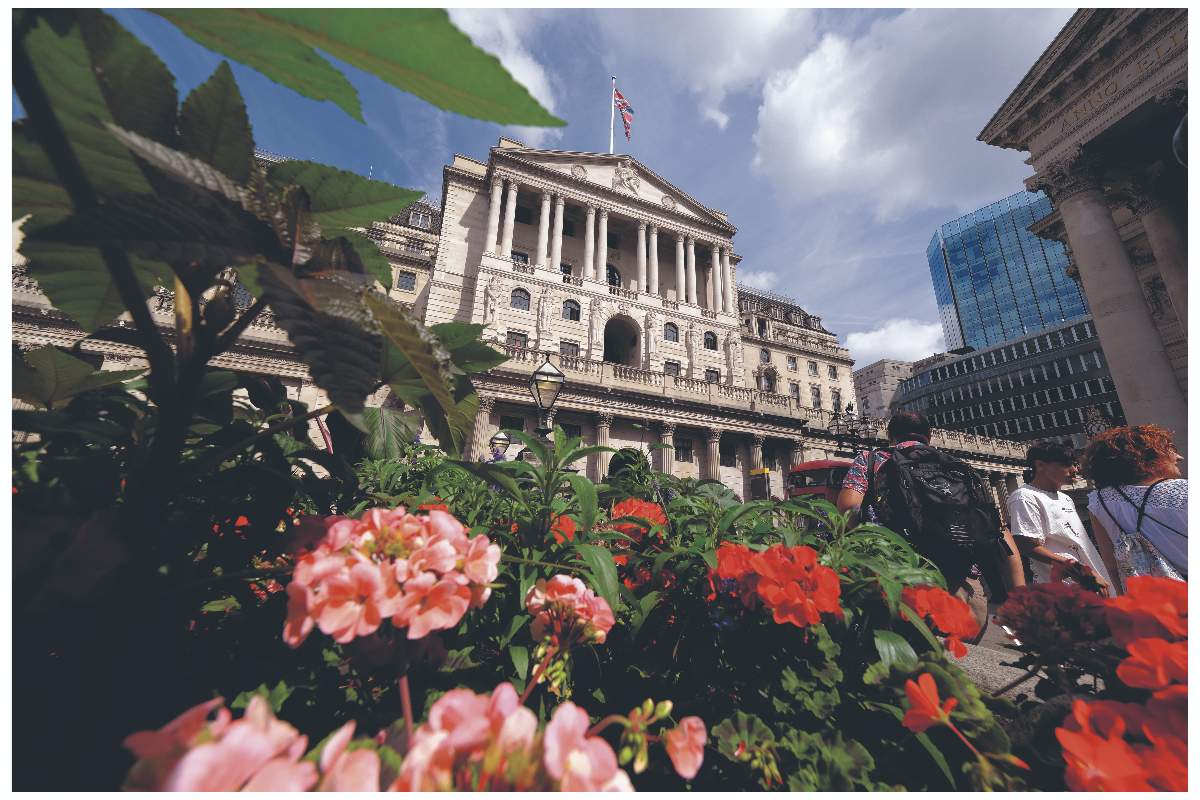
The Bank of England is expected to hold interest rates at 3.75 per cent next week as policymakers continue to battle against sticky inflation.
At the monetary policy committee (MPC)’s first meeting of the year, the Bank is expected to suggest it is too early to cut rates due to the lack of available data on disinflation.
Investors in markets consider the probability of a cut to be at around two per cent.
Inflation inched back up in figures published earlier this month, with the consumer price index (CPI) reading coming in at 3.4 per cent in the year to December compared to 3.2 per cent in the month before.
Some economists have said the small jump on inflation was seasonal, given high levels of travel around the Christmas period, adding that a weakening labour market provided enough evidence that price growth would ease over the coming months.
According to analysts at ING, rate-setters have been “significantly more cautious” than is justified by available statistics.
“The Bank’s hawkish reaction to higher food inflation last year suggests the scars of the 2022 energy-driven inflation spike, which lasted longer than everyone expected, still run deep,” ING”s UK economist James Smith and other analysts said in a note.
“There are still compelling reasons to cut rates further – not least weak hiring surveys and tumbling wage growth, and the fact that headline inflation is likely to halve by April.”
Policymakers on the MPC who are expected to hold interest rates are chief economist Huw Pill, deputy governor Clare Lombardelli and external members Megan Greene and Catherine Mann.
Governor Andrew Bailey could be the swing voter for the third successive decision, with MPC members having given greater weight to different issues driving price growth.
Dovish rate-setter Alan Taylor said in a recent speech that further trade diversion from China due to President Trump’s tariffs would bring inflation back down at a faster pace in the UK.
BNP Paribas economist Dani Stoilova suggested there could be a 7-2 vote in favour of holding interest rates at 3.75 per cent due to a recent jump in energy costs, food prices and worries over high inflation expectations.
Interest rates could fall lower due to Budget
The Bank is also set to provide clearer projections on the impact that Budget measures could have on price growth.
Last year, Lombardelli said early analysis showed Rachel Reeves’ move to cut energy subsidies from household bills could contribute to a reduction in inflation of around 0.5 percentage points from April, which would be in line with the Office for Budget Responsibility (OBR)’s forecasts.
Capital Economics research has suggested that CPI inflation could nosedive the Bank’s target two per cent rate from April due to Budget measures and lower than expected price growth in areas such as water bills and private school fees.
“Admittedly, we wouldn’t rule out another ‘awful April’,” economists said.
“We are mindful of the fact that the last two April readings were higher than we and pretty much everyone expected as inflation lingered in the system.
“But an upside surprise seems less likely this year.”
Its report suggested a dip in price growth could lead the Bank to cut interest rates to as low as three per cent this year, which is below market expectations.
