





Businesses across the UK have been warned to draw up “contingency plans” in case President Trump follows through on imposing 10 per cent tariffs on imports from major European economies next month.
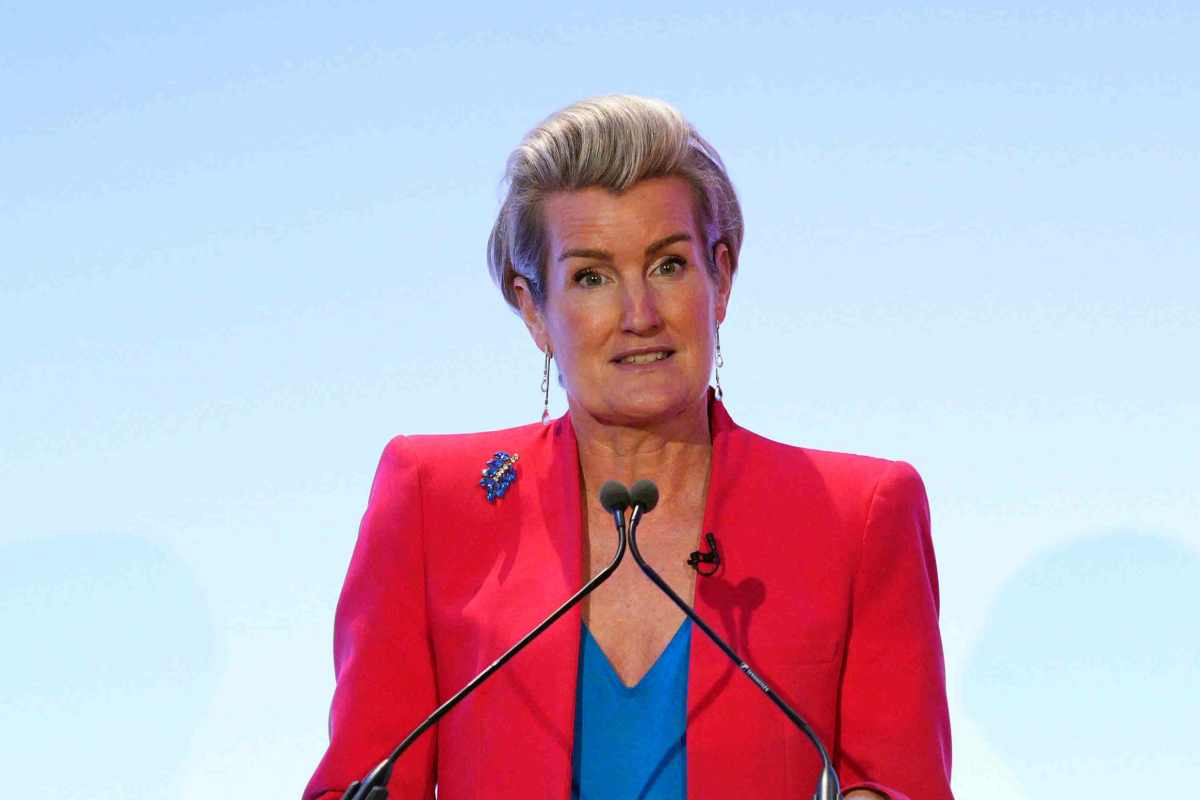
British Chambers of Commerce (BCC) director general Shevaun Haviland warned businesses to prepare for the worst as the impact of US tariffs on imports from the UK over a diplomatic dispute around Greenland would be “significant”.
Business researchers have estimated the total cost of the initial tariff hit to come to £6bn by February, before rising to £15bn should the US president choose to hike the tariff rate to 25 per cent.
Haviland offered her support to Labour ministers‘ approach to engaging in negotiations with the Trump administration amid fears the UK government could follow the EU in preparing a retaliatory tariff package.
“Throughout tariff developments, the government has kept a cool head and continued to negotiate,” Haviland said.
“That’s seen us establish a competitive advantage over many other countries in the US market for goods like steel and pharmaceuticals.
Haviland met with trade minister Chris Bryant on Monday afternoon, with new threats from Trump topping the agenda in discussions.
Tariff complexities considered by chief executives
Leading business groups have largely been tight-lipped on Trump’s tariff threats, with officials across manufacturing and other areas telling City AM they were still working to understand how different sectors of the UK economy could be hit.
There is a belief that some areas that benefited from the US-UK trade deal struck in the middle of last year after April’s Liberation Day may be unaffected but the terms of Trump’s tariff proposals remain unclear.
The sectors that could escape the worst elements of tariffs would include car manufacturing and pharmaceuticals, both areas that UK economists said would contribute to a drag on GDP growth.
BCC analysts have pointed out that little detail is yet known as no executive orders have been signed by Trump.
Haviland said the government “should keep everything on the table” during negotiations.
She added: “Many firms, especially small and medium-sized businesses, will now be facing difficult decisions and we urge it to consider its contingency plans for support should the worst happen. ”
City analysts have also said a looming Supreme Court ruling on retaliatory tariffs could also radically change tariff rate assumptions.
A judgment against Trump on the use of the International Emergency Economic Powers Act (IEEPA) would mean that his current tariff threats against European allies and the UK would be “void”, ING’s global head of macro Carsten Brzeski said.
However, Trump could broaden the scope of sector-specific tariffs, economists have suggested.
