










An ecological review at Knepp in West Sussex, a former farm that has become one of the UK’s best-known rewilding sites, revealed a 916% rise in breeding birds in the southern part of the estate since 2007.
The variety of butterfly species has also doubled on parts of the estate and the abundance of dragonflies and damselflies has risen by nearly 900%.
Survey reveals rare birds on rise at Knepps Estate in Sussex
Isabella Tree owns Knepp with her husband, Charlie Burrell.
She said: “We were a depleted, polluted farmland, so any uplift in nature was going to be positive.
“Of course, in a rewilding project, you don’t have goals, don’t have targets and so we weren’t striving for anything in particular, we were literally sitting back and seeing what would happen.”
Among the successes are around 27 ‘birds of conservation concern’ now breeding on site, including 12 red-listed species.
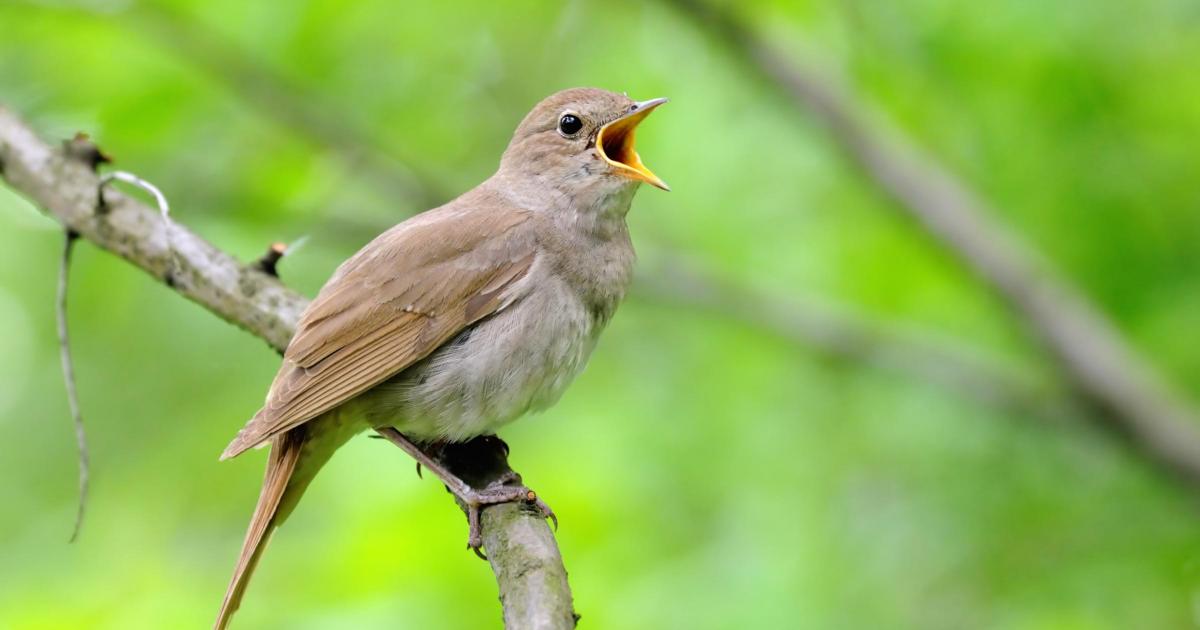
Nightingales, one of the estate’s most prominent conservation successes, have jumped from just nine singing males in 1999 to 62 recorded in 2025.
Nightingales alone account for around one per cent of the UK’s entire population.
The estate’s approach has focused on restoring natural processes by allowing the landscape to develop through grazing and foraging by free-roaming animals, including longhorn cattle, pigs, and Exmoor ponies.
These animals have helped create a dynamic mix of scrub, grassland, and wood pasture that supports a wide variety of species.
There has been a 107% increase in the number of species of butterflies recorded in the middle and northern parts of Knepps Estate (Image: Charlie Burrell/PA Wire)
Turtle doves have also benefited, with numbers rising from two singing males in 2008 to 22 in 2024, and 14 in 2025.
Other wildlife rising at Knepps Estate
However, wildlife gains at the estate extend beyond just birds.
The variety of butterfly species has doubled in parts of the estate, and Knepp now has one of the largest purple emperor populations in the UK, with 283 individuals spotted in a single day in 2025.
A similar rise has been recorded in dragonflies and damselflies—up 871 per cent between 2005 and 2025.
Ecologist Fleur Dobner said: “We’ve gone from a very open monoculture landscape to a real mosaic of parkland, scrubland, billowing hedgerows, open glades, rides and grassland.”
Recommended reading:
The river Adur has been restored to a more natural, winding shape, creating wetlands, with beavers in an enclosure turning a small stream into wetlands.
Rewilding at Knepp began in 2000, when conventional farming was halted.
Since then, Knepp has become a leading light for other rewilding projects that have since sprung up across Britain.
Source link
[Featured]
[Just In]


