





The Met Office has issued a yellow warning for snow and ice covering parts of Scotland north of the Central Belt from January 1 at 6am until midnight on January 2.
The warning states that strong, potentially gale-force northerly winds will accompany the wintry conditions, creating hazards and raising the risk of drifting snow.
The Met Office said: “Given the strength of the wind, some significant drifting of snow is likely. Lightning may well be an additional hazard.”
Forecasters anticipate that up to 10cm of snow could accumulate in some areas by Friday morning, with the potential for up to 30cm on the highest roads and hills in Scotland.
Senior Met Office press officer Georgie Myers said: “It’s going to be a cold start to the new year and we’ve got a snow and ice warning issued, so there’s going to be a transition to much more unsettled and wintry conditions into the new year.
“High pressure is going to be in charge for the next few days, so there’s going to be a continuation of the chilly but settled conditions.”
The Met Office warned that vehicles and passengers could become stranded, transport networks could be delayed or cancelled, and some rural communities may become isolated.
An amber cold health alert has also been issued for the North East and North West of England, which are expected to remain in place until noon on January 5. Temperatures in these regions are expected to fall between 3C and 5C.
Yellow cold health alerts have also been issued by the UK Health Security Agency (UKHSA) for London, the East, South East and South West of England, as well as the East and West Midlands and Yorkshire and the Humber.
The UKHSA said the weather is “likely” to place significant pressure on health and social care services, with the potential for a “rise in deaths” among vulnerable groups, particularly those over 65 or with pre-existing health conditions.
Mark Sidaway, Met Office deputy chief forecaster, said: “It certainly looks like we are in for a taste of ‘winter’ as we welcome in the new year, initially in the north but more widely across the UK for the first week of 2026.
“Arctic air and strong northerly winds will bring cold or very cold conditions to all parts of the UK, and it will feel especially cold in the strong winds.
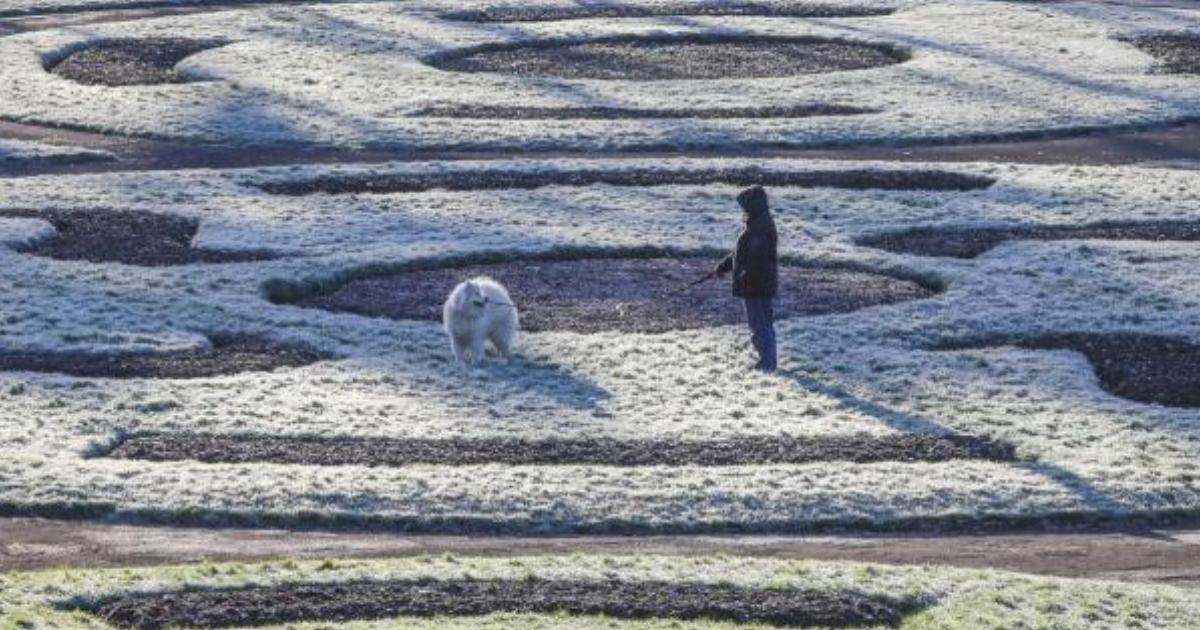
“Widespread and locally severe frosts are expected, along with the first snow of the winter for many.
“These colder conditions and wintry hazards – snow, ice and strong winds – will develop more widely as we enter the new year, with more warnings for snow and ice likely.
“It looks like this cold spell will last through at least the first week of January, so it’s important people keep up to date with the latest forecast and warnings.”
