



Close Menu
UK Daily: Tech, Science, Business & Lifestyle News UpdatesUK Daily: Tech, Science, Business & Lifestyle News Updates
    What's Hot

    Q&A: How can microbiome science solve problems in agriculture?

    February 28, 2026

    What Is AI Coding And Does It Actually Work?

    February 28, 2026

    What I thought of the new KFC Cheesy Melt chicken burger

    February 28, 2026
    Facebook X (Twitter) Instagram
    Trending
    • Q&A: How can microbiome science solve problems in agriculture?
    • What Is AI Coding And Does It Actually Work?
    • What I thought of the new KFC Cheesy Melt chicken burger
    • Reaction from Gills boss Gareth Ainsworth after League 2 win
    • Anthropic’s Claude rises to No. 2 in the App Store following Pentagon dispute
    • Whitstable draw with Larkfield & New Hythe, Hythe Town win again, Division 1 Rochester beat AFC Greenwich Borough
    • Where to Stream SAG Awards Live – Hollywood Life
    • Is the U.S. at War With Iran? Updates After the Missile Attack – Hollywood Life
    • London
    • Kent
    • Glasgow
    • Cardiff
    • Belfast
    Facebook X (Twitter) Instagram YouTube
    UK Daily: Tech, Science, Business & Lifestyle News UpdatesUK Daily: Tech, Science, Business & Lifestyle News Updates
    Subscribe
    Saturday, February 28
    • Home
    • News
      1. Kent
      2. London
      3. Belfast
      4. Birmingham
      5. Cardiff
      6. Edinburgh
      7. Glasgow
      8. Liverpool
      9. Manchester
      10. Newcastle
      11. Nottingham
      12. Sheffield
      13. West Yorkshire
      Featured

      ‘Miniature’ mountain creature with ‘squeaker’-like call discovered as new species

      Science November 9, 2023
      Recent

      Q&A: How can microbiome science solve problems in agriculture?

      February 28, 2026

      What Is AI Coding And Does It Actually Work?

      February 28, 2026

      What I thought of the new KFC Cheesy Melt chicken burger

      February 28, 2026
    • Lifestyle
      1. Celebrity
      2. Fashion
      3. Food
      4. Leisure
      5. Social Good
      6. Trending
      7. Wellness
      8. Event
      Featured

      Where to Stream SAG Awards Live – Hollywood Life

      Celebrity February 28, 2026
      Recent

      Where to Stream SAG Awards Live – Hollywood Life

      February 28, 2026

      Is the U.S. at War With Iran? Updates After the Missile Attack – Hollywood Life

      February 28, 2026

      Pink & Carey Hart’s Relationship Timeline From Beginning to Now – Hollywood Life

      February 28, 2026
    • Science
    • Business
    • Sports

      Reaction from Gills boss Gareth Ainsworth after League 2 win

      February 28, 2026

      Whitstable draw with Larkfield & New Hythe, Hythe Town win again, Division 1 Rochester beat AFC Greenwich Borough

      February 28, 2026

      League 2 match report from the SO Legal Stadium, Holker Street

      February 28, 2026

      Live updates from Barrow v Gillingham, Ebbsfleet United v Farnborough, Salisbury v Maidstone United

      February 28, 2026

      Friday February 27 to Wednesday March 4

      February 27, 2026
    • Politics
    • Tech
    • Property
    • Press Release
    UK Daily: Tech, Science, Business & Lifestyle News UpdatesUK Daily: Tech, Science, Business & Lifestyle News Updates
    Home » FCA Set To Increase £100 Contactless Payment Limit In March 2026

    FCA Set To Increase £100 Contactless Payment Limit In March 2026

    bibhutiBy bibhutiDecember 23, 2025 Business No Comments6 Mins Read
    Facebook Twitter LinkedIn WhatsApp Telegram
    Share
    Facebook Twitter LinkedIn Telegram WhatsApp


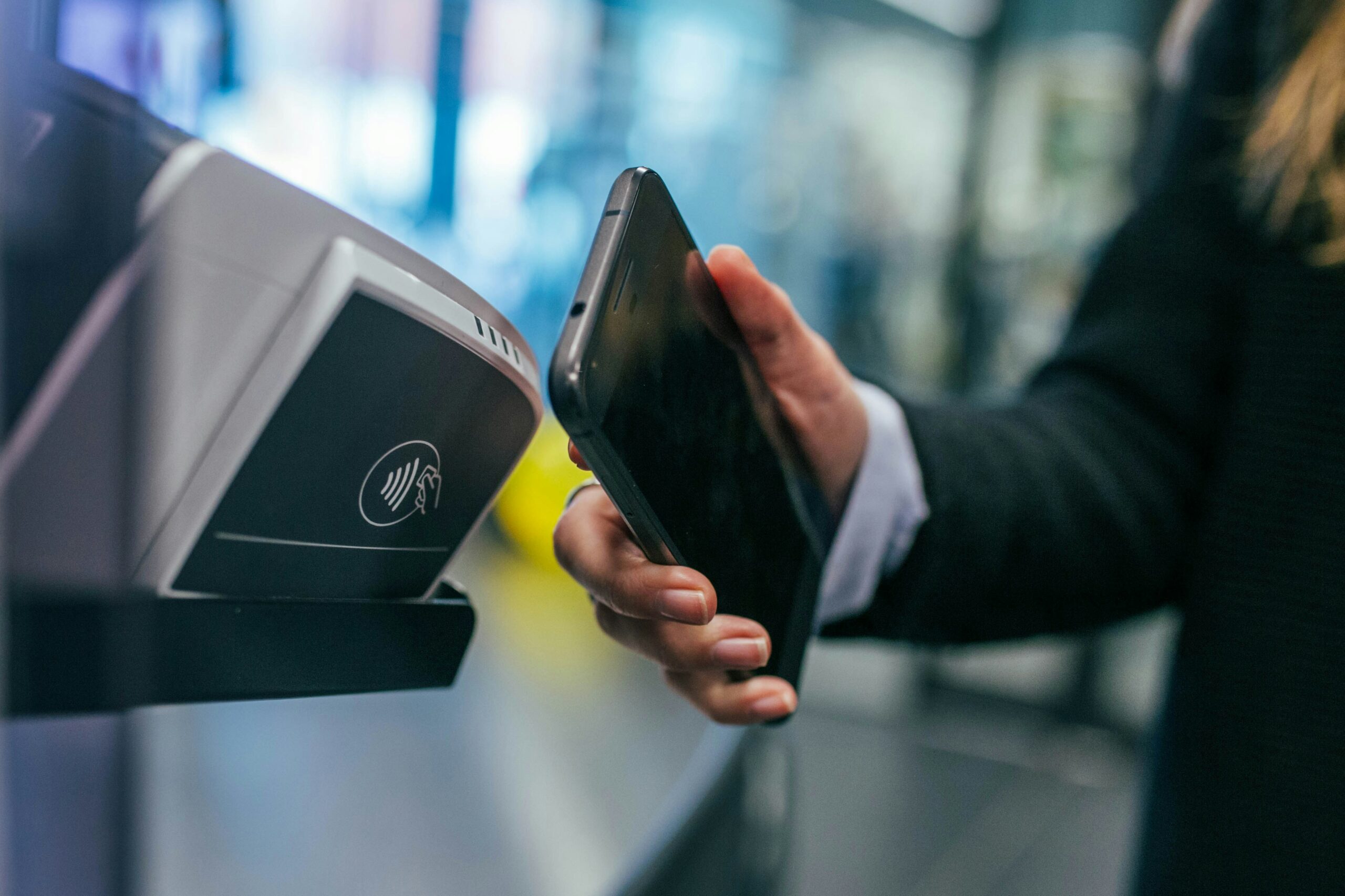
    The Financial Conduct Authority (FCA) has announced that the UK’s £100 contactless card limit is set to be lifted from March next year, asserting that from March 2026, banks and card providers will be given more freedom over tap-to-pay thresholds.

    Rather than a single, fixed cap, firms will be able to introduce higher or even unlimited contactless limits, while customers will be allowed to set their own controls. Ultimately, businesses and consumers will have far more autonomy over tap-to-pay limits than ever before.

    At a glance, the move may feel like another nudge towards frictionless spending – an attempt to make processes seamless and more efficient. But the reality is more nuanced than that.

    This change reflects a wider shift in how payments are regulated, how risk is managed and where responsibility ultimately sits.


    Moving Away from One-Size-Fits-All Rules


    For years, the £100 limit has acted as a simple, universal safeguard – easy to understand and easy to enforce. But, as payments technology has evolved, that simplicity has also become a constraint in many ways.

    The FCA’s decision signals a move away from blanket rules and towards risk-based oversight. Instead of a hard ceiling applied to everyone, banks and card providers will now be expected to assess risk in real time, using behavioural data and transaction monitoring to decide when extra checks are needed.

    Chris Jones, Managing Director at specialist payments consultancy PSE Consulting, frames the change as a shift in accountability rather than an invitation to spend more.

    “Lifting the contactless limit is not really about letting people spend more with a tap. It is about shifting responsibility across the payments ecosystem. By lifting the contactless cap, the FCA is stepping away from a blunt, one-size-fits-all all rule and putting the onus on banks and card providers to manage their own risk exposure levels.”


    What It Means for Banks and Payment Providers


    With greater flexibility comes higher expectations.

    Higher or unlimited contactless limits only work if firms have strong fraud detection, real-time transaction monitoring and responsive customer controls in place. Without these safeguards, consumers and businesses may put themselves at risk, as they are now responsible for implementing the so-called “last line of defence” that has previously been integrated by the FCA.

    In theory, much of this infrastructure already exists. Many providers use behavioural analytics and dynamic risk scoring to flag unusual activity. In practice, however, standards are uneven across the industry, and the removal of a fixed limit makes those gaps harder to hide.

    For banks, this becomes a test of operational maturity. Those who treat the change as a technical upgrade risk underestimating the trust element involved, but those who invest in clearer controls and communication may strengthen customer confidence in the long run.


    With Increased Freedom To Tap Comes Greater Responsibility for Consumers


    From a consumer perspective, the biggest change may not be higher limits at all. Instead, it’s the ability to set personal thresholds, adjust settings instantly, and switch contactless on or off through banking apps.

    Jones argues that this level of control is more valuable than a headline-grabbing increase in limits.

    “For consumers, the real win is not higher limits, but greater control. Being able to set personal thresholds, switch contactless on or off instantly and manage settings through an app delivers far more value than mandating a simple ceiling.”

    That said, greater flexibility also means greater responsibility. Consumers who never engage with their app settings may be more exposed than before, particularly if limits are raised by default rather than by choice.


    Trust, Timing and the Bigger Picture


    The timing of the change matters too. With cost-of-living pressures still high, any policy that appears to make spending easier risks poor optics, even if the intention is structural rather than behavioural.

    Ultimately, the success of lifting the £100 contactless limit will depend on how it’s implemented. Used carefully, it could mark a smarter, more personalised approach to payment security. Rushed or poorly explained, it could undermine trust.

    As Jones puts it, banks face a clear fork in the road:

    “Banks that treat this as a trust-building opportunity will strengthen customer relationships. Those that rush to increase limits without clear safeguards and communication risk eroding confidence and attracting scrutiny from both regulators and customers.”

    The end of the £100 cap is less about tapping for more and more about whether the payments industry is ready to handle what comes next. Ultimately, it remains to be seen how major players (as well as the smaller guys) choose to handle this significant change in regulation.


    Expert Opinions

    • Lauren Harvey: Account Manager at The Accountancy Partnership
    • Warren Whitfield: CEO at Modern World Business Solutions
    • Jonathan Frost: Director of Global Advisory for EMEA at BioCatch


    Lauren Harvey, Account Manager at The Accountancy Partnership

     

    lauren-harvey


    “From March 2026 the FCA is removing the hard £100 contactless cap, so banks can set limits based on their fraud controls and customer choice. For SMEs this could reduce checkout friction and speed up payments, but it also raises the bar on security and clear customer comms.

    “For consumers, higher limits are convenient, yet it’s easy to overspend with ‘tap and go’—use banking tools like spend alerts, lower personal limits or disabling contactless on a second card. The aim looks less like ‘encouraging spending’ and more like modernising a one-size limit, provided protections and controls keep pace.”


    Warren Whitfield, CEO at Modern World Business Solutions

     

    warren-headshot


    “It’s a welcome change from a fintech point of view. Anything that removes barriers for people to be able to spend money is a good thing for the economy, but it needs to be done properly to negate fraud, so as long as the technology is prepared enough to recognise fraudulent patterns from consumer spending then I believe we’ll be in a better place.

    “This might trigger a large shift from physical POS machines to soft POS devices in venues, on mobile-type devices/mobile phones, which will take time to get consumer trust but is a good start to that consumer journey.”


    Jonathan Frost, Director of Global Advisory for EMEA at BioCatch

     

    jonathan-frost


    “When considering the FCA’s lifting of contactless limits, it’s important to assess its potential indirect effects. The direct impact is clear, giving consumers greater convenience while maintaining fraud protection.

    “However, FCA estimates indicate the change could cause up to £31.3 million per year in additional contactless fraud, representing a 131% increase. The core question is whether raised limits will trigger long-term impacts, such as shifts in criminal behaviour. In Spain, higher-value contactless transactions require a PIN to combat fraud.

    “There is also a broader ecosystem impact to consider. Some retailers are reluctant to accept contactless payments due to the abuse of chargeback fraud. This friction risks undermining the very convenience the policy is designed to deliver.”

    “Given these dynamics, banks should prioritise the implementation and continuous improvement of real-time fraud detection systems that focus on customer behaviour. This will help stop fraud by considering all customer behaviour rather than just focusing on card use.”


    Source link

    Share. Facebook Twitter LinkedIn Email
    Previous ArticlePaisley Road West eastbound closure near Ibrox in Glasgow
    Next Article AI and citizens detect invasive mosquito in Madagascar
    bibhuti
    • Website

    Keep Reading

    What Is AI Coding And Does It Actually Work?

    How A Decline In Innovation Is Stalling UK SME Ambition

    Top Fashion Startups In The UAE

    New Research Reveals Surge In Demand

    In-Office Apps UK Businesses Use to Retain Top Talent

    New Chargeback Challenges For Online Stores

    Add A Comment
    Leave A Reply Cancel Reply

    Editors Picks

    89th Utkala Dibasa Celebration Brings Odisha’s Vibrant Culture to London

    April 8, 2024

    US and EU pledge to foster connections to enhance research on AI safety and risk.

    April 5, 2024

    Holi Celebrations Across Various Locations in Kent Attract a Diverse Range of Community Participation

    March 25, 2024

    Plans for new Bromley tower blocks up to 14-storeys tall refused

    December 4, 2023
    Latest Posts

    Subscribe to News

    Get the latest sports news from NewsSite about world, sports and politics.

    Advertisement

    Recent Posts

    • Q&A: How can microbiome science solve problems in agriculture?
    • What Is AI Coding And Does It Actually Work?
    • What I thought of the new KFC Cheesy Melt chicken burger
    • Reaction from Gills boss Gareth Ainsworth after League 2 win
    • Anthropic’s Claude rises to No. 2 in the App Store following Pentagon dispute

    Recent Comments

    1. Register on Anycubic users say their 3D printers were hacked to warn of a security flaw
    2. Pembuatan Akun Binance on Braiins Becomes First Mining Pool To Introduce Lightning Payouts
    3. tadalafil tablets sale on The market is forcing cloud vendors to relax data egress fees
    4. cerebrozen reviews on Kent director of cricket Simon Cook adapting to his new role during the close season
    5. Glycogen Review on The little-known town just 5 miles from Kent border with stunning beaches and only 600 residents
    The News Times Logo
    Facebook X (Twitter) Pinterest Vimeo WhatsApp TikTok Instagram

    News

    • UK News
    • US Politics
    • EU Politics
    • Business
    • Opinions
    • Connections
    • Science

    Company

    • Information
    • Advertising
    • Classified Ads
    • Contact Info
    • Do Not Sell Data
    • GDPR Policy
    • Media Kits

    Services

    • Subscriptions
    • Customer Support
    • Bulk Packages
    • Newsletters
    • Sponsored News
    • Work With Us

    Subscribe to Updates

    Get the latest creative news from FooBar about art, design and business.

    © 2026 The News Times. Designed by The News Times.
    • Privacy Policy
    • Terms
    • Accessibility

    Type above and press Enter to search. Press Esc to cancel.

    Manage Cookie Consent
    To provide the best experiences, we use technologies like cookies to store and/or access device information. Consenting to these technologies will allow us to process data such as browsing behavior or unique IDs on this site. Not consenting or withdrawing consent, may adversely affect certain features and functions.
    Functional Always active
    The technical storage or access is strictly necessary for the legitimate purpose of enabling the use of a specific service explicitly requested by the subscriber or user, or for the sole purpose of carrying out the transmission of a communication over an electronic communications network.
    Preferences
    The technical storage or access is necessary for the legitimate purpose of storing preferences that are not requested by the subscriber or user.
    Statistics
    The technical storage or access that is used exclusively for statistical purposes. The technical storage or access that is used exclusively for anonymous statistical purposes. Without a subpoena, voluntary compliance on the part of your Internet Service Provider, or additional records from a third party, information stored or retrieved for this purpose alone cannot usually be used to identify you.
    Marketing
    The technical storage or access is required to create user profiles to send advertising, or to track the user on a website or across several websites for similar marketing purposes.
    • Manage options
    • Manage services
    • Manage {vendor_count} vendors
    • Read more about these purposes
    View preferences
    • {title}
    • {title}
    • {title}