



Close Menu
UK Daily: Tech, Science, Business & Lifestyle News UpdatesUK Daily: Tech, Science, Business & Lifestyle News Updates
    What's Hot

    That dry, bitter taste may be waking up your brain

    February 7, 2026

    The International Photographic Council (IPC) Launches Dynamic New Website Celebrating Photography as a Universal Language

    February 7, 2026

    How Many Medals So Far? – Hollywood Life

    February 7, 2026
    Facebook X (Twitter) Instagram
    Trending
    • That dry, bitter taste may be waking up your brain
    • The International Photographic Council (IPC) Launches Dynamic New Website Celebrating Photography as a Universal Language
    • How Many Medals So Far? – Hollywood Life
    • League 2 match report from Priestfield Stadium
    • Top 7 Dropshipping Products To Sell In February 2026
    • M25 clockwise within J23 | Clockwise | Congestion
    • Review: Paradox Singapore, Clarke Quay, Singapore
    • Brighton music venue selling urinal ‘used by celebrities’
    • London
    • Kent
    • Glasgow
    • Cardiff
    • Belfast
    Facebook X (Twitter) Instagram YouTube
    UK Daily: Tech, Science, Business & Lifestyle News UpdatesUK Daily: Tech, Science, Business & Lifestyle News Updates
    Subscribe
    Saturday, February 7
    • Home
    • News
      1. Kent
      2. London
      3. Belfast
      4. Birmingham
      5. Cardiff
      6. Edinburgh
      7. Glasgow
      8. Liverpool
      9. Manchester
      10. Newcastle
      11. Nottingham
      12. Sheffield
      13. West Yorkshire
      Featured

      ‘Miniature’ mountain creature with ‘squeaker’-like call discovered as new species

      Science November 9, 2023
      Recent

      That dry, bitter taste may be waking up your brain

      February 7, 2026

      Top 7 Dropshipping Products To Sell In February 2026

      February 7, 2026

      M25 clockwise within J23 | Clockwise | Congestion

      February 7, 2026
    • Lifestyle
      1. Celebrity
      2. Fashion
      3. Food
      4. Leisure
      5. Social Good
      6. Trending
      7. Wellness
      8. Event
      Featured

      How Many Medals So Far? – Hollywood Life

      Celebrity February 7, 2026
      Recent

      How Many Medals So Far? – Hollywood Life

      February 7, 2026

      Review: Paradox Singapore, Clarke Quay, Singapore

      February 7, 2026

      His Family’s Wealth Compared to Thompson – Hollywood Life

      February 7, 2026
    • Science
    • Business
    • Sports

      League 2 match report from Priestfield Stadium

      February 7, 2026

      Live updates from Gillingham v Tranmere Rovers, Maidstone United v Slough Town

      February 7, 2026

      Saturday February 7 to Wednesday February 11

      February 6, 2026

      Gillingham manager Gareth Ainsworth looks ahead to their home game against Tranmere Rovers this Saturday and a parting conversation with chairman Brad Galinson

      February 6, 2026

      Former Kent Cricket captain David Fulton urges current skipper Daniel Bell-Drummond to enjoy ‘well deserved’ testimonial year

      February 6, 2026
    • Politics
    • Tech
    • Property
    • Press Release
    UK Daily: Tech, Science, Business & Lifestyle News UpdatesUK Daily: Tech, Science, Business & Lifestyle News Updates
    Home » Research reveals molecular origins of function for a key drug target

    Research reveals molecular origins of function for a key drug target

    bibhutiBy bibhutiDecember 21, 2023 Science No Comments7 Mins Read
    Facebook Twitter LinkedIn WhatsApp Telegram
    Share
    Facebook Twitter LinkedIn Telegram WhatsApp


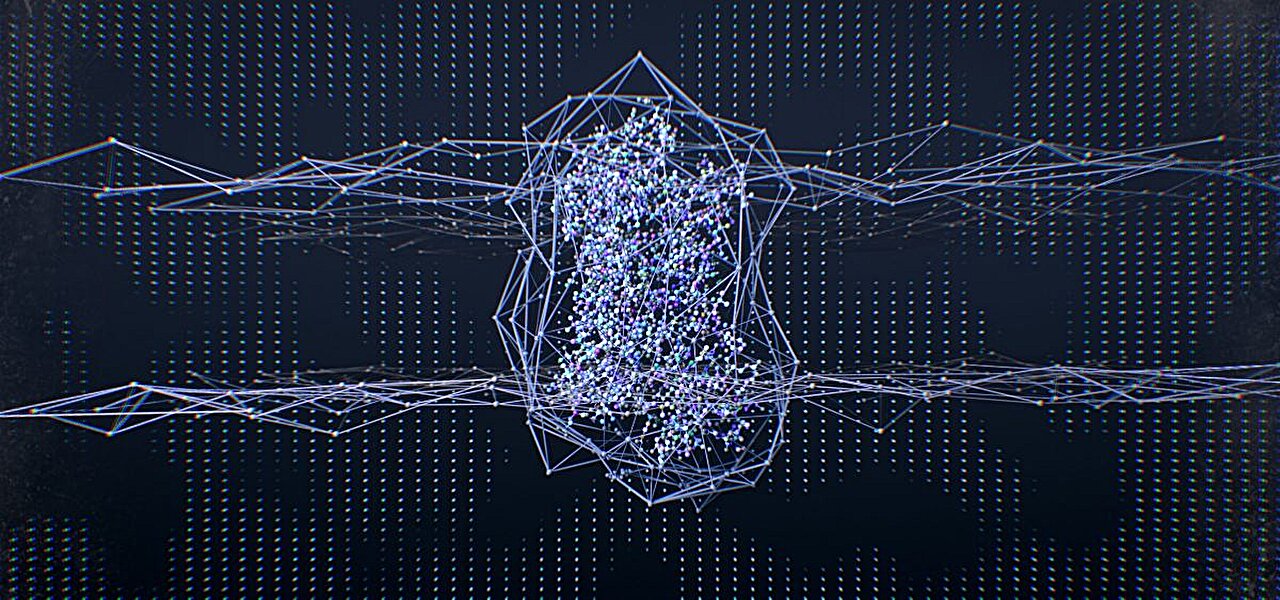
    GPCR structure: Research reveals molecular origins of function for a key drug target
    By looking at each individual component of the β2 adrenergic receptor and seeing how they contribute to the overall function of the protein, researchers from St. Jude along with international collaborators are able to view the network that allows ligand binding to be translated across the membrane to within the cell. Credit: Zhaowen Luo, St. Jude Children’s Research Hospital

    Through an international collaboration, scientists at St. Jude Children’s Research Hospital have leveraged data science, pharmacology and structural information to conduct an atomic-level investigation into how each amino acid in the receptor that binds adrenaline contributes to receptor activity in the presence of this natural ligand.

    They had discovered precisely which amino acids control the key pharmacological properties of the ligand. The adrenaline receptor studied is a member of the G protein-coupled receptor (GPCR) family, and this family is the target of one-third of all Food and Drug Administration (FDA)-approved drugs. Thus, understanding how GPCRs respond to natural or therapeutic ligands is critical for developing new therapies with precise effects on receptor activity.

    The paper is published in the journal Science.

    To understand how a watch works, one might take it apart, piece by piece, and study the role played by each component in its timekeeping function. Similarly, in a protein such as a GPCR, each amino acid might play a different role in how the protein responds to an external signal.

    Researchers at St. Jude, in collaboration with scientists from Stanford University, the University of Montreal, the MRC Laboratory of Molecular Biology and Cambridge University, investigated the β2-adrenergic receptor (β2AR) by substituting one amino acid at a time to understand the contribution of each amino acid in this receptor to mediate a signaling response.

    “Scientists learn how genes contribute to cell function by disrupting them one at a time. We asked, ‘Why don’t we take this one level deeper? Let’s understand how every amino acid contributes to the functioning of a receptor by mutating them, one amino acid at a time,'” said co-corresponding author M. Madan Babu, Ph.D., from St. Jude’s Department of Structural Biology, Center of Excellence for Data-Driven Discovery director and the George J. Pedersen Endowed Chair in Biological Data Science.

    “Through evolution, every amino acid in the receptor has been sculpted in some way or another to ensure that it binds the natural ligand, in this case adrenaline, and elicits the appropriate physiological response.”

    Finding function in the form

    GPCRs are proteins that span the cell’s membrane and connect the outside of the cell to its internal environment by transmitting external signals to the inside of the cell. In the case of the β2AR, adrenaline binds to the GPCR on the part outside of the cell, inducing a response inside the cell.

    When a ligand binds, it causes changes in the shape of the receptor, especially in the intracellular region of the receptor where a G protein binds. The binding sites for the ligand and the G protein are on opposite sides of the protein but connect through a complex network of amino acid contacts that span the entire protein. Conformational (shape) changes within the GPCR activate the G protein to trigger a downstream signaling response within the cell. Through effects on multiple tissues and GPCRs, including the β2AR, adrenaline can trigger the fight-or-flight response, such as during an adrenaline surge.

    To understand the role of each amino acid in a GPCR, Franziska Heydenreich, Ph.D., from the Philipps University of Marburg, the lead and co-corresponding author of this project, mutated each of the 412 amino acids in the β2AR. She then evaluated each mutant’s response to the ligand adrenaline and determined the classical pharmacological properties of efficacy and potency. Efficacy measures the maximum response a ligand can elicit, and potency measures the amount of ligand required to elicit half of the maximum response. The aim was to reveal, on an atomic scale, how each amino acid contributes to these pharmacological properties.

    “Surprisingly, only about 80 of the more than 400 amino acids contributed to these pharmacological properties. Of these pharmacologically relevant amino acids, only one-third were located within regions where the ligand or G protein bound to the receptor,” Heydenreich said.

    “It was fascinating to observe that there are some amino acids that control efficacy, some that control potency and then there are others that affect both,” Babu said. “It means if you want to make a more potent or efficacious drug, you now know there are specific residues that the new ligand needs to influence.” The researchers also noted that the individual contribution of each residue to efficacy and potency was not equal, implying even more opportunities for fine-tuning drug responses while designing new therapeutic ligands.

    “Efficacy and potency have been measured for numerous ligand-receptor signaling systems for several decades. Now we can understand how specific amino acids in a protein’s sequence can influence these pharmacological properties,” Babu explained.

    “A fascinating aspect of the results is that potency and efficacy can be regulated independently of each other through distinct mechanisms. This provides a basis for understanding how genetic variation influences drug responses among individuals,” Michel Bouvier, Ph.D., co-corresponding author from the Department of Biochemistry and Molecular Medicine and General Director of the Institute for Research in Immunology and Cancer of the University of Montreal added.

    A beautiful network

    Prior research illustrated the structure of both the active and inactive states of the β2AR. Building on this knowledge, the researchers embarked on a new investigation. They explored whether the two-thirds of pharmacologically relevant amino acids previously demonstrated to be not involved in ligand or G-protein binding might play a role in the transition between the active and inactive states of the receptor.

    “We systematically started looking at every residue contact unique to the active state,” Heydenreich said, “to understand whether all the amino acids that make an active-state contact are important.”

    The researchers developed a data science framework to integrate pharmacological and structural data systematically and revealed the first comprehensive picture of GPCR signaling. “When we mapped the pharmacological data onto the structure, they formed a beautiful network,” said Babu.

    “It provided new insights into the allosteric network linking the ligand binding pocket to the G protein binding site that governs efficacy and potency,” added Brian Kobilka, co-corresponding author and the 2012 Nobel Prize winner in Chemistry from Stanford University School of Medicine.

    By understanding GPCR signaling at the atomic level, the researchers are optimistic that they can begin probing even deeper—to see the transient sub-states between the active and inactive conformations and to explore the conformational landscape of proteins.

    “We now know which mutants to go after, those that only affect efficacy, potency or both,” Heydenreich said.

    “Now, we can perform molecular dynamics calculations and single-molecule experiments on those mutants to reveal the exact mechanisms by which the allosteric network influences efficacy and potency to mediate a signaling response. This is a direction we are pursuing through a St. Jude Research Collaborative on GPCRs that includes PIs from several institutions.” Babu explained.

    Apart from these “driver” residues that are involved in mediating active state-specific contacts and affect pharmacology when mutated, Babu and his colleagues intend to probe other key findings revealed by this work. They aim to study “passenger” amino acids that—despite making contacts in the active state—do not affect efficacy or potency when mutated.

    They are also interested in “modulator” residues that don’t mediate active state-specific contacts, but alter pharmacology when mutated. Their data science approach, integrating structural information and pharmacological measurements, isn’t limited to the β2AR. It can be extended to any GPCR to enhance our understanding of the mechanics governing this crucial class of drug targets.

    More information:
    Franziska M. Heydenreich et al, Molecular determinants of ligand efficacy and potency in GPCR signaling, Science (2023). DOI: 10.1126/science.adh1859. www.science.org/doi/10.1126/science.adh1859

    Provided by
    St. Jude Children’s Research Hospital


    Citation:
    GPCR structure: Research reveals molecular origins of function for a key drug target (2023, December 21)
    retrieved 21 December 2023
    from https://phys.org/news/2023-12-gpcr-reveals-molecular-function-key.html

    This document is subject to copyright. Apart from any fair dealing for the purpose of private study or research, no
    part may be reproduced without the written permission. The content is provided for information purposes only.


    Source link

    Just In
    Share. Facebook Twitter LinkedIn Email
    Previous ArticleHorsham man arrested on suspicion of robbery after Denne Road incident
    Next Article US Weekly Job Claims Edge Up Slightly amid Robust Labor Market, GDP in Q3 Increases at 4.9%
    bibhuti
    • Website

    Keep Reading

    That dry, bitter taste may be waking up your brain

    League 2 match report from Priestfield Stadium

    M25 clockwise within J23 | Clockwise | Congestion

    Review: Paradox Singapore, Clarke Quay, Singapore

    Brighton music venue selling urinal ‘used by celebrities’

    Why OpenAI and Anthropic are really fighting about ads

    Add A Comment
    Leave A Reply Cancel Reply

    Editors Picks

    89th Utkala Dibasa Celebration Brings Odisha’s Vibrant Culture to London

    April 8, 2024

    US and EU pledge to foster connections to enhance research on AI safety and risk.

    April 5, 2024

    Holi Celebrations Across Various Locations in Kent Attract a Diverse Range of Community Participation

    March 25, 2024

    Plans for new Bromley tower blocks up to 14-storeys tall refused

    December 4, 2023
    Latest Posts

    Subscribe to News

    Get the latest sports news from NewsSite about world, sports and politics.

    Advertisement

    Recent Posts

    • That dry, bitter taste may be waking up your brain
    • The International Photographic Council (IPC) Launches Dynamic New Website Celebrating Photography as a Universal Language
    • How Many Medals So Far? – Hollywood Life
    • League 2 match report from Priestfield Stadium
    • Top 7 Dropshipping Products To Sell In February 2026

    Recent Comments

    1. Register on Anycubic users say their 3D printers were hacked to warn of a security flaw
    2. Pembuatan Akun Binance on Braiins Becomes First Mining Pool To Introduce Lightning Payouts
    3. tadalafil tablets sale on The market is forcing cloud vendors to relax data egress fees
    4. cerebrozen reviews on Kent director of cricket Simon Cook adapting to his new role during the close season
    5. Glycogen Review on The little-known town just 5 miles from Kent border with stunning beaches and only 600 residents
    The News Times Logo
    Facebook X (Twitter) Pinterest Vimeo WhatsApp TikTok Instagram

    News

    • UK News
    • US Politics
    • EU Politics
    • Business
    • Opinions
    • Connections
    • Science

    Company

    • Information
    • Advertising
    • Classified Ads
    • Contact Info
    • Do Not Sell Data
    • GDPR Policy
    • Media Kits

    Services

    • Subscriptions
    • Customer Support
    • Bulk Packages
    • Newsletters
    • Sponsored News
    • Work With Us

    Subscribe to Updates

    Get the latest creative news from FooBar about art, design and business.

    © 2026 The News Times. Designed by The News Times.
    • Privacy Policy
    • Terms
    • Accessibility

    Type above and press Enter to search. Press Esc to cancel.

    Manage Cookie Consent
    To provide the best experiences, we use technologies like cookies to store and/or access device information. Consenting to these technologies will allow us to process data such as browsing behavior or unique IDs on this site. Not consenting or withdrawing consent, may adversely affect certain features and functions.
    Functional Always active
    The technical storage or access is strictly necessary for the legitimate purpose of enabling the use of a specific service explicitly requested by the subscriber or user, or for the sole purpose of carrying out the transmission of a communication over an electronic communications network.
    Preferences
    The technical storage or access is necessary for the legitimate purpose of storing preferences that are not requested by the subscriber or user.
    Statistics
    The technical storage or access that is used exclusively for statistical purposes. The technical storage or access that is used exclusively for anonymous statistical purposes. Without a subpoena, voluntary compliance on the part of your Internet Service Provider, or additional records from a third party, information stored or retrieved for this purpose alone cannot usually be used to identify you.
    Marketing
    The technical storage or access is required to create user profiles to send advertising, or to track the user on a website or across several websites for similar marketing purposes.
    • Manage options
    • Manage services
    • Manage {vendor_count} vendors
    • Read more about these purposes
    View preferences
    • {title}
    • {title}
    • {title}